

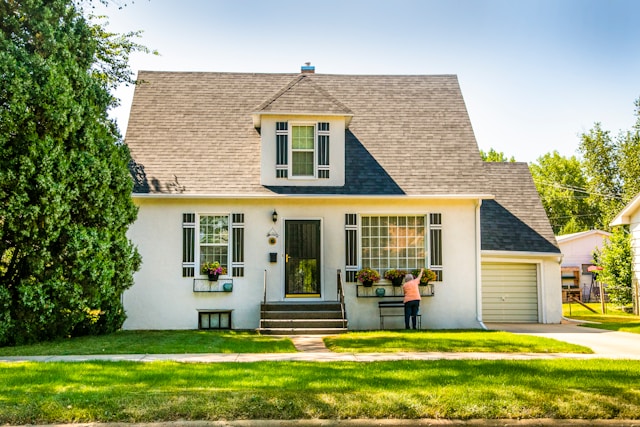
Home insurance is essential for protecting one of your most valuable assets, but that doesn’t mean you have to overpay for coverage. Many homeowners unknowingly pay higher premiums than necessary simply because they haven’t explored available discounts or optimized their policy. By understanding how insurers calculate premiums and taking a few strategic steps, you can significantly reduce your home insurance costs without sacrificing protection.
Understand What Affects Your Premium
Before trying to lower your premium, it helps to understand how insurance companies determine your rate. Insurers evaluate several factors, including your home’s location, age, construction materials, claims history, credit profile, and the coverage limits you choose. Homes located in areas prone to natural disasters or high crime rates often carry higher premiums. Older homes or those with outdated systems can also increase costs because they pose higher risk.
Knowing these factors allows you to focus on the areas you can control and improve.
Increase Your Deductible
One of the quickest ways to lower your home insurance premium is by increasing your deductible. The deductible is the amount you pay out of pocket before your insurance coverage begins.
Choosing a higher deductible reduces the insurer’s risk, which often leads to lower monthly or annual premiums. However, make sure you select a deductible that you could realistically afford in an emergency. A lower premium is helpful, but not if it leaves you financially strained when you need to file a claim.
Bundle Your Insurance Policies
Many insurance providers offer discounts when you bundle multiple policies together. For example, combining your home insurance with auto, life, or other coverage from the same company can lead to significant savings.
Bundling simplifies policy management while reducing administrative costs for insurers, which is why they often reward customers with lower premiums. If you already have other insurance, ask your provider whether bundling could reduce your overall costs.
Improve Home Security
Insurance companies often provide discounts for homes equipped with security features. Installing burglar alarms, smoke detectors, fire alarms, and surveillance cameras can lower your premium because they reduce the likelihood of theft or severe damage.
Advanced systems that connect directly to emergency services or monitoring companies may qualify for even greater discounts. Even simple upgrades like deadbolt locks or motion-sensor lighting can contribute to savings.
Upgrade Your Home’s Systems
Older electrical wiring, plumbing, or roofing can increase insurance costs because they raise the risk of fires, leaks, or structural damage. Updating these systems not only makes your home safer but can also lead to lower premiums.
Replacing an old roof, upgrading outdated wiring, or installing modern plumbing can demonstrate to insurers that your home presents less risk. In many cases, you can submit proof of upgrades to your insurance company to request a reassessment of your premium.
Maintain a Good Claims History
Frequent insurance claims can signal higher risk to insurers, which often results in increased premiums. While insurance exists to protect you, it’s wise to avoid filing small claims that you could reasonably cover yourself.
Maintaining a clean claims history over time shows insurers that you are a low-risk policyholder, which may help you qualify for better rates or loyalty discounts.
Review and Adjust Your Coverage
Many homeowners continue paying for coverage they no longer need. Regularly reviewing your policy ensures you aren’t overinsured or paying for unnecessary add-ons.
For example, if you’ve paid off your mortgage or sold valuable items previously covered, you may be able to reduce your coverage limits. On the other hand, make sure you still have enough protection to rebuild your home if needed. The goal is to strike the right balance between affordability and adequate coverage.
Ask About Available Discounts
Insurance companies offer a variety of discounts that homeowners often overlook. These may include:
- Loyalty discounts for staying with the same insurer for several years
- Claim-free discounts for maintaining a clean record
- Discounts for retirees or remote workers who spend more time at home
- Savings for new homes or recently renovated properties
- Green home discounts for energy-efficient upgrades
Simply asking your insurer about available discounts can reveal opportunities to lower your premium immediately.
Shop Around Periodically
Staying with the same insurer for years can feel convenient, but it doesn’t always guarantee the best rate. Insurance markets change, and new companies or policies may offer better coverage at lower prices.
Comparing quotes every few years helps ensure you’re still getting competitive rates. Even if you prefer your current insurer, getting other quotes gives you leverage to negotiate or request a price review.
Strengthen Disaster Resistance
Homes that are built or upgraded to withstand natural disasters often qualify for lower insurance rates. Installing storm shutters, reinforcing roofing, sealing foundations, or using fire-resistant materials can reduce risk and lower premiums.
Some regions even offer local programs or tax incentives for homeowners who make disaster-resistant improvements, providing additional financial benefits beyond insurance savings.
Pay Your Premium Annually
Many insurers charge extra administrative fees for monthly payments. If possible, paying your premium once per year instead of monthly installments can reduce overall costs.
While the savings may seem small, they can add up over time, especially when combined with other cost-reduction strategies.
Build a Long-Term Relationship With Your Insurer
Insurance companies often reward long-term customers with loyalty discounts, better customer service, or flexible policy adjustments. Maintaining a strong relationship with your insurer and regularly communicating about your needs can help you access benefits that new customers might not receive immediately.
Consistency, responsible homeownership, and proactive communication can all contribute to lower premiums over the years.
Final Thoughts
Lowering your home insurance premium doesn’t require sacrificing protection. By increasing your deductible, improving home security, upgrading essential systems, and reviewing your policy regularly, you can significantly reduce your insurance costs while maintaining strong coverage.
Smart homeowners treat insurance as a financial tool that should evolve with their needs. Taking time to reassess your policy, ask about discounts, and make risk-reducing improvements ensures you receive the best value for your coverage. Over time, these small steps can lead to meaningful savings while keeping your home and finances secure.

