

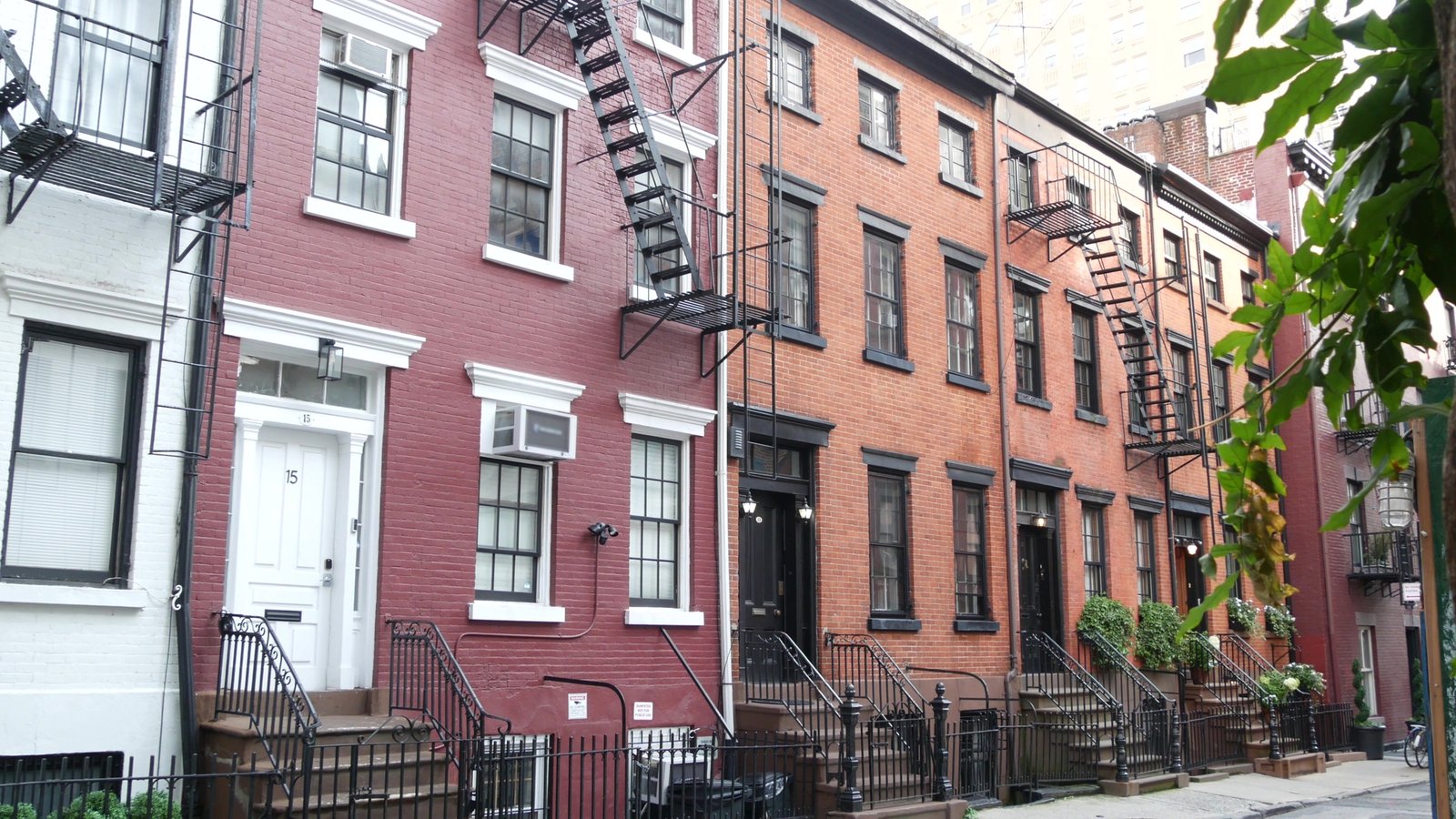
Legal filings against residential rental properties in New York City grew substantially between 2021 and 2023 and then remained constant at that elevated level, according to research from Milford Street Captive Insurance.
The analysis conducted by LegalClaimsAI and the NYU Furman Center also found that government-subsidized, income-restricted housing and heavily rent-stabilized buildings have “consistently faced a disproportionately higher rate of claims per unit than market-rate and other housing types.”
NYU’s Furman Center and LegalClaimsAI matched a data set of 56,289 individual claims filed against New York City properties between 2021 and 2025. After matching, researchers analyzed 21,992 claims filed against 18,745 unique residential rental buildings comprising 916,207 units. New York State has more than 1,100,000 active claims, making it the most litigious state in the union, according to the researchers.
“Unchecked litigation is an existential threat to affordable housing,” said John A Crotty of the Milford Street Captive Insurance Co., which is owned and operated by members of the state’s affordable housing industry. “Across the board, these legal claims translate into higher insurance premiums that starves our rental housing stock of desperately needed resources.”
Crotty added that the highest rate of claims is where where government investment is the highest, meaning New York’s taxpayers shoulder a disproportionate burden of the costs generated by these claims. “This translates into fewer units, higher rents and a rapid and accelerating decline in housing quality,” he maintained.
The total number of claims filed citywide grew by 29.6% from 2021 to 2022, and by another 29.2% from 2022 to 2023, before leveling off and declining slightly through 2025. On a per-unit basis, claims per 100,000 units grew 69.6% between 2021 and 2024 — from 128.69 to a high of 218.32 — before easing slightly to 200.3 in 2025.
The analysis found variation by claim type. Premises claims outpaced other categories overall, and on a per-unit basis, affordable housing types — public housing, government-subsidized/income-restricted housing, and heavily rent-stabilized buildings — consistently had higher rates of premises claims than market-rate and mixed-income buildings.
The most pronounced shift was in tort/negligence claims within government-subsidized, income-restricted housing, where the per-unit rate grew 61.82% from 2022 to 2023 and a further 57.48% from 2023 to 2024, off a smaller base.
New York City affordable housing liability insurance premiums increased at an annual rate of 21% between 2019 and 2023, according to a March 2024 report by the New York Housing Conference (NYHC). The NYHC report said rising costs discourage the development of new affordable housing, place pressure on affordable rents and carrying charges, and force current operators to defer necessary maintenance, adversely impacting housing quality
In April, Mayor Zohran Kwame Mamdani announced his intention to create an insurance program for affordable housing providers as part of a broad affordable housing agenda. He has promised the city will invest $100 million in the program with a goal of insuring 20,000 homes next year and 100,000 homes by 2030. The city selected Pinnacle Actuarial Resources to provide actuarial analysis and technical support and issued a Request for Expression of Interest (RFEI) to the private sector seeking proposals to design, structure and operate the insurance program.
Mamdani said rising insurance costs are draining resources from the affordable housing sector and lowering them will help ensure that more money goes to repairs, maintenance and improvements for tenants.
New York State is also looking at insurance as part of its effort to encourage affordable housing. The state has made a $2 million loan to Milford Street Association to help it increase its membership.
Topics
Claims
Interested in Claims?
Get automatic alerts for this topic.
