


The US Justice Department has encouraged prosecutors to dismiss more lawsuits against companies brought by whistleblowers, and the former top deputy for the agency’s civil division expects the trend to continue.
The approach would follow recent revisions to the Justice Department’s guidelines related to the False Claims Act. Under the FCA, a person can file what’s known as a qui tam lawsuit alleging someone defrauded the government.
The department’s authority to dismiss whistleblower lawsuits “will be utilized more aggressively,” said Paul Perkins, formerly an associate deputy attorney general at the Justice Department’s civil division who helped oversee the recent revisions to the policy.
If a qui tam suit is successful, the individual who brought it can be awarded a share of the recovered amount. The government has the authority to intervene in the case, allow the person to pursue it alone with government oversight, or shut it down altogether.
“The government will be looking at a number of factors, including whether the underlying allegations have merit,” said Perkins, who left the government for private practice, in an interview with Bloomberg News.
Perkins is joining the Morrison Foerster law firm in Washington as a partner in its investigations and white collar defense group. He will also chair the firm’s FCA practice.
Corporate Enforcement
The Justice Department has taken a softer touch on some corporate enforcement actions. While the Trump administration has promoted its corporate whistleblower programs, officials also have shown an increased willingness to enter into civil settlements with companies or give them deferred-prosecution agreements rather than charge them with crimes and take them to trial.
Before stepping down, Perkins oversaw Justice Manual revisions that he said give prosecutors more discretion to terminate whistleblower cases — including encouraging them to intervene to dismiss cases the department previously chose to stay out of.
Perkins said the number of qui tam cases has been growing rapidly in recent years, partially due to whistleblowers using artificial intelligence and data analytics to search for and flag what he called “fraud signals.”
The updated Justice Manual guidance also creates an opportunity for defendants of qui tam litigation to petition the government for dismissal, Perkins said.
Bringing Claims
“We’re fortunate to have Paul join us at this critical time as the US government sharpens its focus on fraud enforcement,” said Ruti Smithline, global co-chair of Morrison Foerster’s litigation department. Perkins has an “insider’s understanding of how enforcement priorities are set, staffed, and resolved.”
The FCA dates back to the Civil War era and was originally created to protect the government from fraudulent claims from defense contractors. Over the years, its usage has grown to encompass sectors beyond defense.
The Trump administration has used the act to bring claims against companies it alleges to have policies that promote diversity, equity, and inclusion, which it views as discriminatory.
Accenture Plc, a management and technology consulting company, earlier this month agreed to pay $25 million to resolve FCA allegations that it took race and sex into consideration when making hiring and promotion decisions. The company didn’t admit wrongdoing.
The Justice Department didn’t immediately respond to a request for comment on its approach to FCA enforcement.
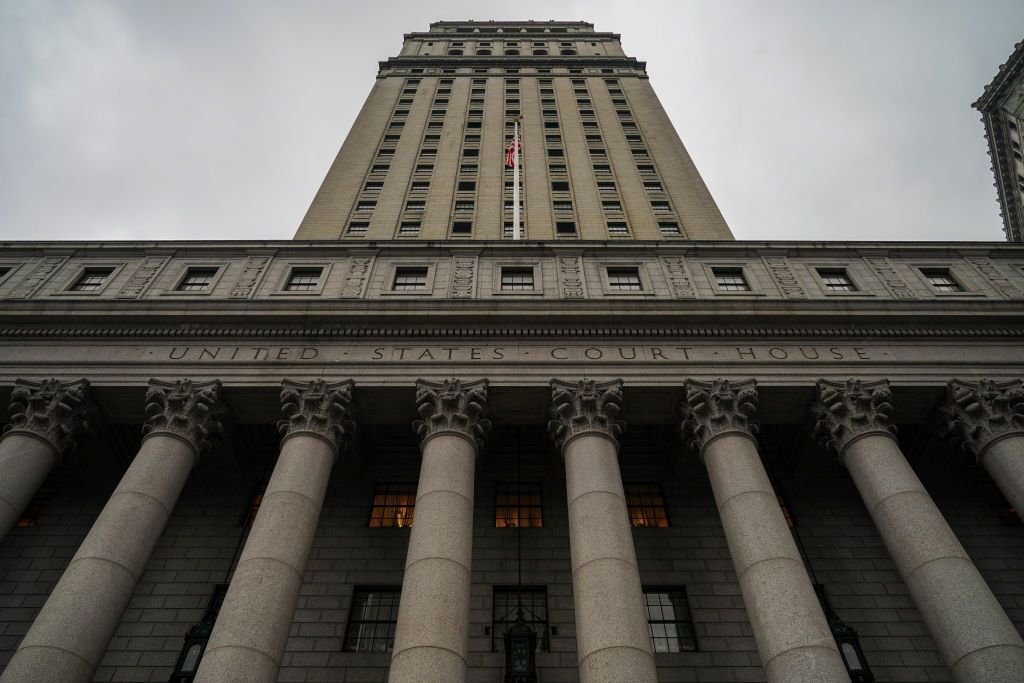
Photo: The Thurgood Marshall United States Courthouse, which hears cases from the U.S. District Court for the Southern District of New York and United States Court of Appeals for the Second Circuit, stands in Lower Manhattan. Photographer: Drew Angerer/Getty Images North America
Copyright 2026 Bloomberg.
Topics
Claims
Interested in Claims?
Get automatic alerts for this topic.
