
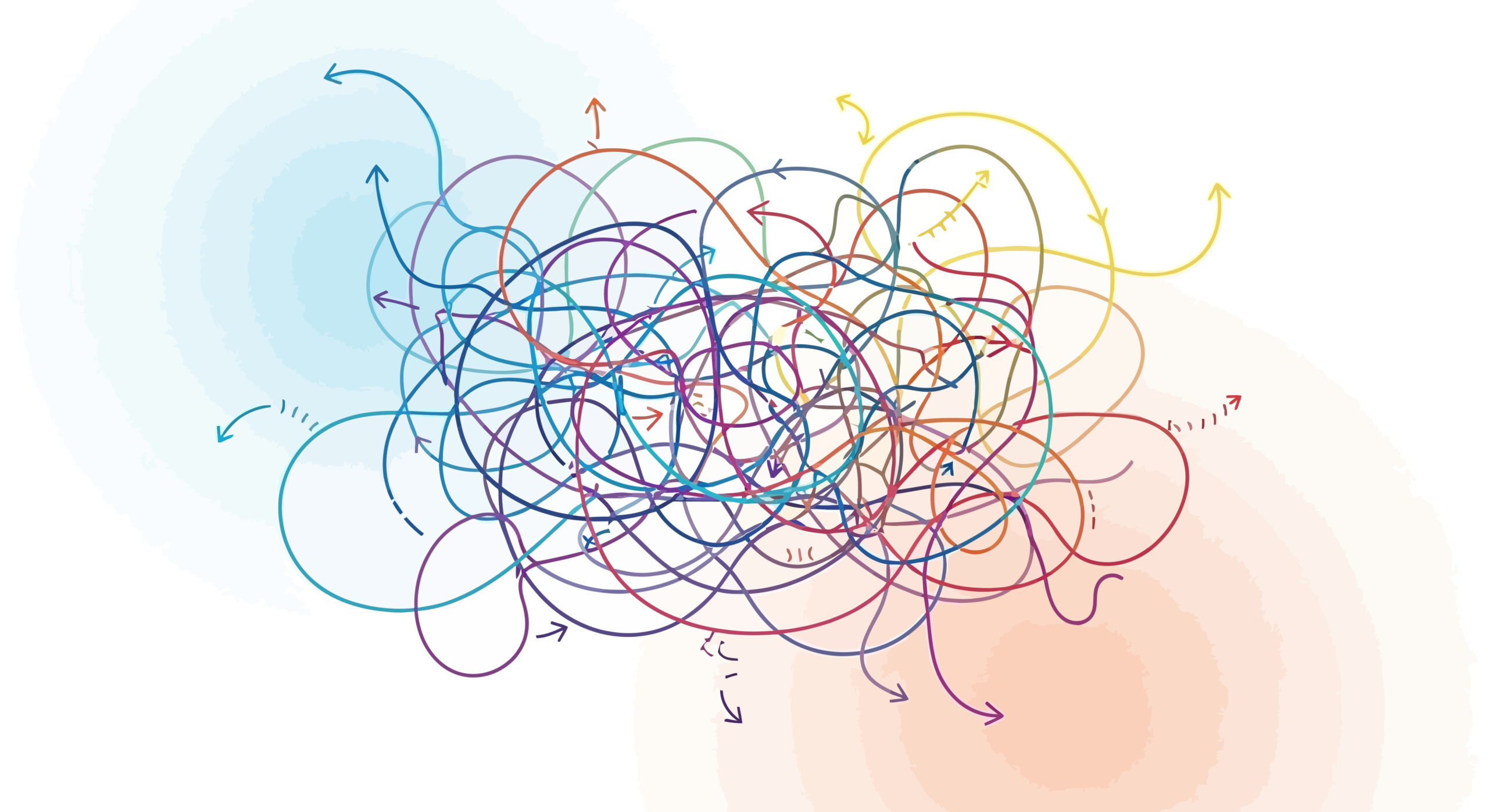
It’s not always immediately clear which coverage line a claim will ultimately engage at the outset. What initially appears to fall within errors and omissions liability (E&O) may also raise questions about leadership decisions, oversight, or disclosure, bringing directors and officers liability (D&O) considerations into view.
In these situations, the focus is less on categorization and more on how the claim is evaluated and handled as additional facts emerge. Claims often develop across multiple dimensions, requiring coordination across functions and, at times, across more than one coverage line.
So, where does a claim go when it doesn’t fit neatly into a single policy? Increasingly, that question is shaping how organizations approach risk–reflecting the reality that exposures do not always align cleanly with how coverage is structured in practice.
Where E&O and D&O Exposures Overlap in Claims
E&O and D&O serve different purposes on paper, but in practice those boundaries are less defined.
A workplace complaint, such as a termination, discrimination allegation, or retaliation claim, typically begins within HR but then expands into a broader review of how decisions were made, documented, and approved, raising questions about oversight, escalation, and accountability at the leadership level.
Data-related issues follow a similar trajectory, beginning with how information was handled while providing services before extending to internal controls, governance, and disclosure obligations.
The same dynamic works in reverse. Changes to pricing, service delivery, or client engagement may originate as business or strategic decisions but draw scrutiny around how those choices affected customers or counterparties in practice.
These situations regularly cross functions and involve more than one insurance policy. However, many programs still treat these risks as separate, which complicates the response once a claim begins to take shape.
When Coverage Structure Breaks Down Under Pressure
Organizations typically maintain distinct towers for E&O, D&O, cyber, and employment practices liability. That structure works when claims stay within expected boundaries. It becomes more complex when they don’t.
When exposures overlap, several issues tend to surface:
- Unclear response across policies: Determining which policy applies, or in what order, slows decision-making at critical early stages, when timing matters most.
- Misaligned limits and retentions: Programs are typically structured around single-line claims, even as losses span employment, governance, and data-related risks, leaving potential gaps in how limits are deployed or retentions are triggered.
- Coverage gaps tied to exclusions or design: Scenarios involving internal decision-making, use of data, or service delivery don’t always align cleanly with a single policy, particularly when exclusions are applied across lines.
Consider a situation involving the use of client or employee data. Even without a breach, questions may arise around how information was collected, how consent was obtained, or how it was used in decision-making. At that point, additional coverages could come into play, including D&O considerations related to oversight or disclosure.
If those policies don’t align, or if responsibilities across carriers are unclear, the disconnect generally isn’t visible until coverage is already being evaluated under pressure.
Why Claims Are Moving Faster and Drawing Earlier Attention
Claims are moving more quickly than they once did, in many cases drawing attention before a formal filing occurs.
Regulatory expectations have increased around governance, disclosure, and data practices. Litigation has become more aggressive, and public visibility develops earlier, particularly in matters involving leadership decisions or workplace concerns. This shortens the window to respond and increases the complexity of early-stage decision-making.
Legal, operational, and reputational considerations tend to unfold at the same time. Teams initiate internal reviews, engage outside counsel, and manage communications with stakeholders or regulators without a complete picture of the issue or its potential trajectory.
Even before a claim is formally filed, organizations begin responding to internal complaints, regulatory inquiries, or third-party concerns. A workplace allegation or a question about how client data was handled might trigger internal investigations, outside counsel, and early communications–costs that accumulate quickly regardless of whether the matter ultimately results in litigation.
When those issues raise both professional service and governance questions, uncertainty between E&O and D&O coverage delays coordination at a critical stage. That uncertainty–whether between policies or across carriers–adds cost and complexity rather than reducing it.
Aligning Coverage with How Claims Actually Unfold
As claims increasingly span functions and coverage lines, organizations are beginning to look at professional liability more holistically rather than as a collection of separate lines. That shift makes it more important to evaluate how coverage works together before a claim begins to unfold. Here are a few considerations:
- Review how policies interact. Looking across E&O, D&O, cyber, and employment practices coverage helps clarify how a program is likely to respond in practice, not just in isolation.
- Align coverage with current operations. Changes in workforce models, technology use, and service delivery can introduce risks that existing programs were not designed to address.
- Focus on how decisions are made and documented. Many claims ultimately turn on process. Clear documentation, defined approval structures, and escalation paths create a more defensible record of decision-making.
- Coordinate early across teams. Most professional liability issues involve more than one function, requiring coordination across legal, HR, risk, and leadership from the outset.
These are not new considerations, but they take on greater importance as claims develop more quickly and cut across multiple areas of the business.
Navigating Overlapping Exposures in Practice
Don’t wait for a claim to expose where gaps exist. Assess how policies interact, whether limits align with how losses develop, and how exclusions apply across exposures before decisions need to be made under pressure.
That work is most effective when it reflects how claims are actually handled, not how coverage is structured on paper. Aligning programs with real-world decision-making, documentation, and cross-functional coordination creates a stronger foundation before issues arise. When alignment is in place, organizations are better positioned to respond with clarity, even as circumstances change and additional considerations come into scope.
Moore is senior claims manager, and Engnell is director, management liability at Intact Insurance Specialty Solutions. Reach Moore at kmoore@intactinsurance.com and Engnell at lengnell@intactinsurance.com.
